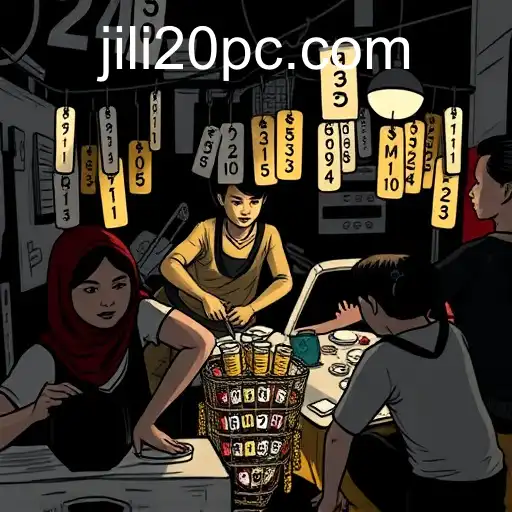
Jueteng: The Enduring Legacy of an Illegal Numbers Game
Jueteng is a numbers game that has woven itself into the social and economic fabric of the Philippines for generations. Despite its illegal status, this betting activity has persisted, thriving on both its simplicity and the economic desperation of many Filipinos. Understanding jueteng requires not only a look at its rules and processes but also an exploration of its cultural and political significance.Sige77
bet100The Origins and Mechanics of Jueteng
ph6788Jueteng is believed to have originated from China, entering the Philippines during the Spanish colonial period. The name derives from two Hokkien words: "juë" meaning flower and "teng" meaning the word. This historical linkage establishes its long-standing presence in the archipelago, symbolizing not just continuity but cultural integration.
The rules of jueteng are uncomplicated. Players choose a set of numbers, typically two, from a predetermined range. These numbers are then drawn randomly, often twice daily. Bets are usually small, allowing widespread participation from various economic strata, which contributes to its popularity.
Economic Impact and Social Acceptance
At the heart of jueteng's enduring popularity lies its economic impact. For many, it offers a glimmer of hope, a quick opportunity to circumvent poverty. The ability to bet as little as a few pesos opens the gambling option to practically everyone. More than just a game, jueteng has become a survival mechanism for some, despite its risks.VVJL
Social acceptance of jueteng can also be attributed to its community roots. In many cases, the game is organized by local leaders or syndicates tied to political figures. This network safeguards the operation, ensuring it remains under the radar of law enforcement, while also embedding it deeper into local culture.
The Political Underpinnings of Jueteng
Beyond the surface of this numbers game lies a complex political web. Over the years, jueteng has been linked to numerous corruption scandals, involving high-profile politicians and law enforcement agencies. Such involvement often protects the game, making eradication efforts challenging.
Political patronage becomes evident when investigating this dynamic. Local officials often turn a blind eye in exchange for financial support, both for themselves and for political campaigns. This relationship ensures mutual benefits—while punters get their betting fix, organized operators gain protection and politicians amass funds, creating a cycle that's difficult to break.
jl9Legal Framework and Enforcement Challenges
The legal status of jueteng has always been clear—it's illegal. However, enforcing this prohibition is complex. Law enforcement agencies often lack the resources to clamp down effectively, and there are allegations of collusion with operators.
Attempts to transition players to legal alternatives like the Philippine Charity Sweepstakes Office's (PCSO) lottery often falter. Jueteng offers better odds and instant gratification, enhancing its appeal over state-sanctioned options, which fail to capture the immediacy desired by many bettors.
Consequences for Society and Governance
The existence and persistence of jueteng undermine the rule of law, eroding trust in government institutions. When crime operates openly with implicit or explicit government support, it sends a message of inequality and unfairness, breeding resentment and disenchantment among law-abiding citizens.
Beyond governance, the socio-economic effects are profound. Individuals who become too reliant on gambling may find themselves in deeper financial trouble, while communities may suffer when funds that could have improved infrastructure, education, or healthcare are diverted toward managing illegal operations.
A Cultural Reflection: Jueteng's Enduring Popularity
The persistence of jueteng despite its illegal status and harmful consequences is a cultural reflection of societal needs and state shortcomings. It highlights the struggle for social mobility and the deep-seated desire for economic relief. That jueteng still continues today reveals much about the socio-economic conditions faced by many, pointing to gaps yet unaddressed by formal institutions.
In essence, jueteng is more than just an illegal numbers game; it's a mirror reflecting the larger issues of governance, economic disparity, and cultural practices. As such, any meaningful reform in the eradication of jueteng would require a multifaceted approach, addressing not just its illicit nature but the underlying socio-economic drivers fuelled by desperation and lack of opportunity. Addressing jueteng means addressing these wide-ranging issues holistically, with a concerted effort from both government and society.